

The Beginnings
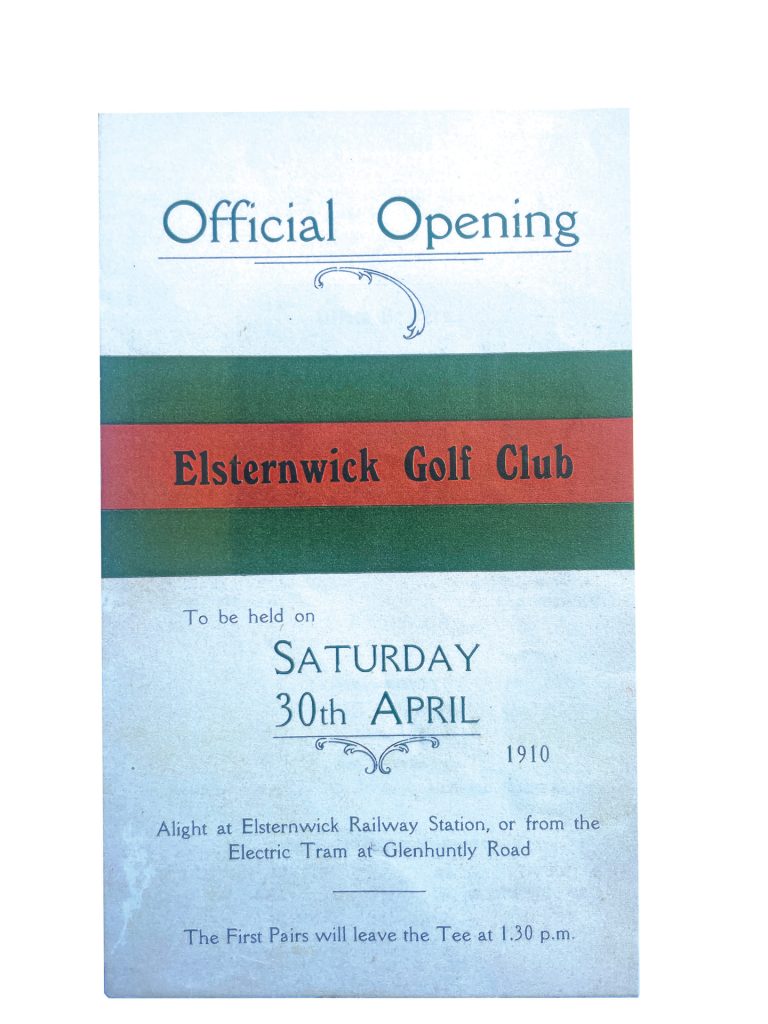
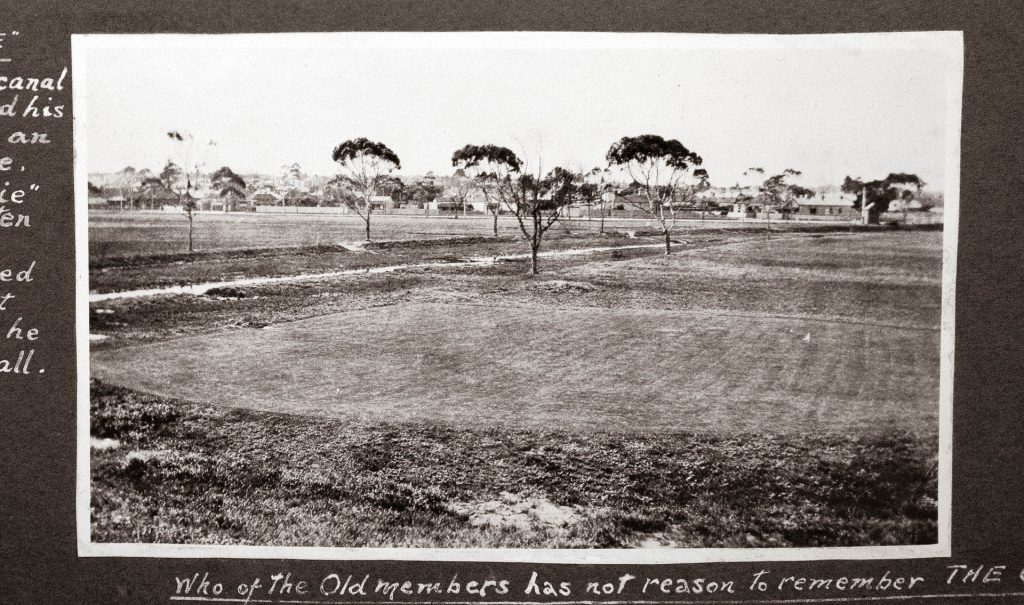
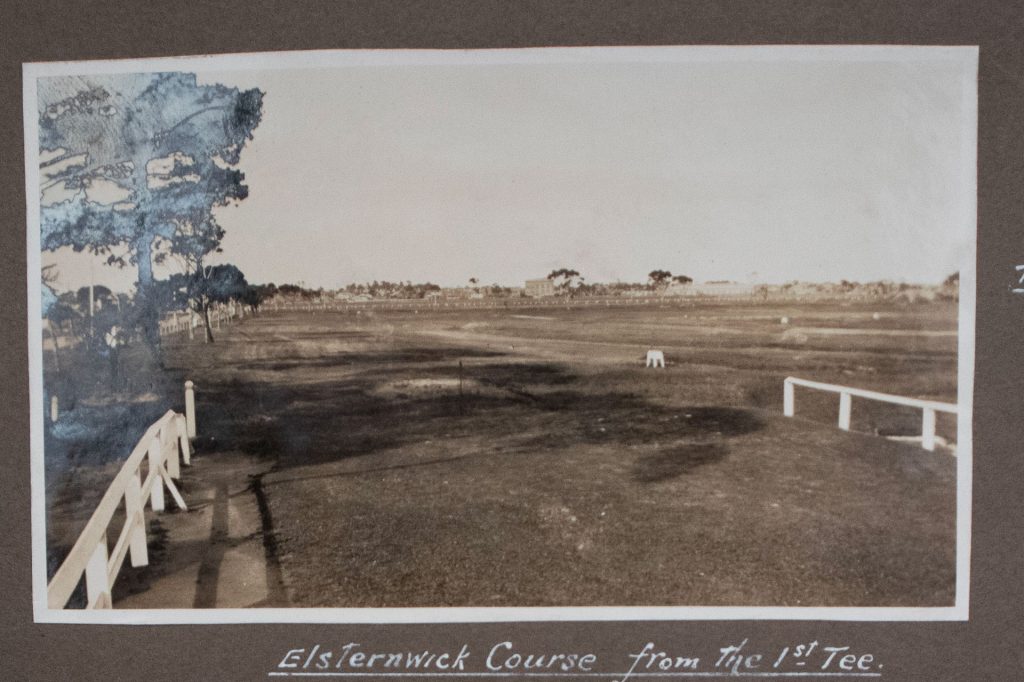
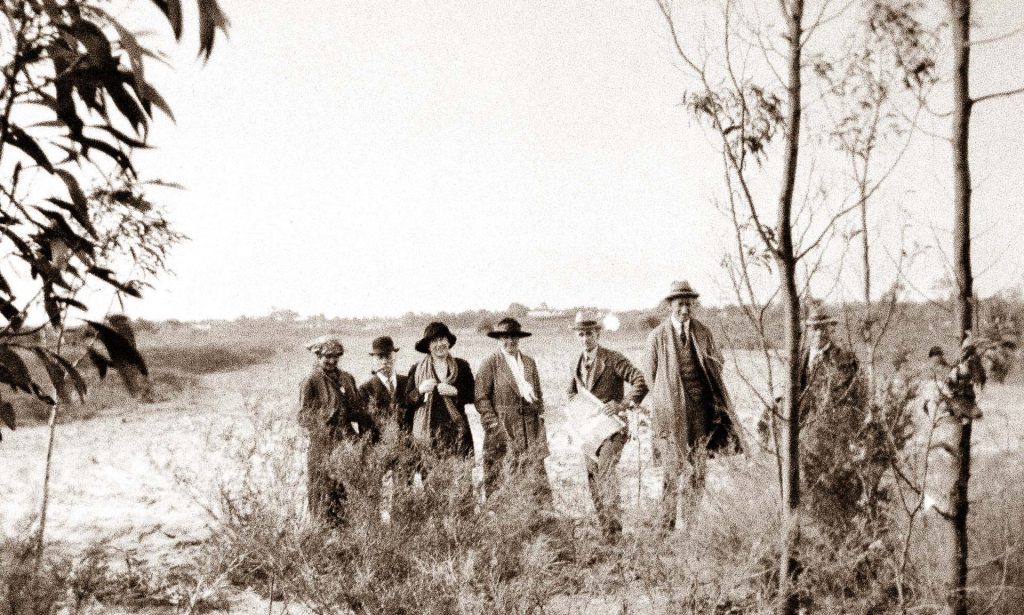
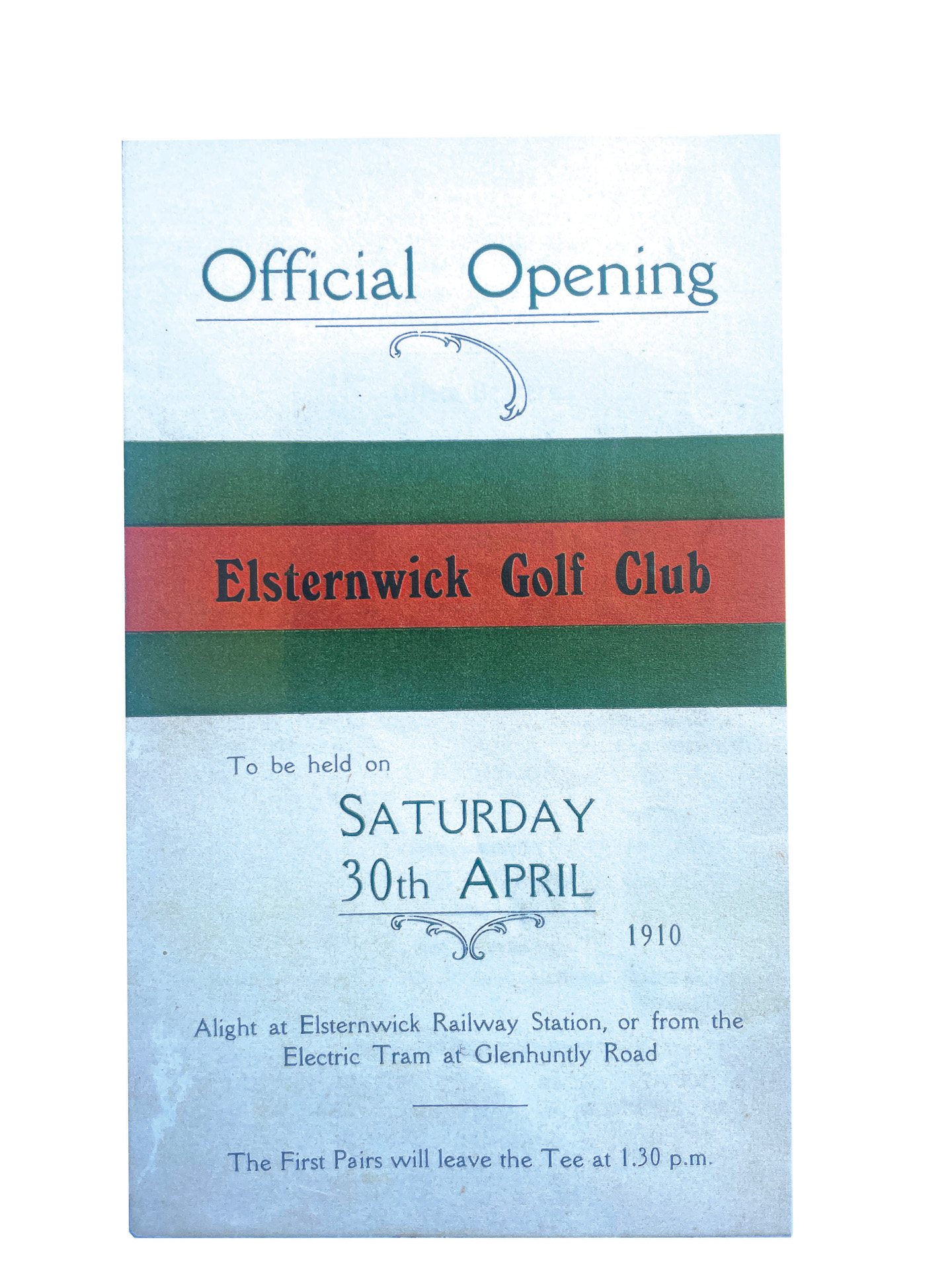
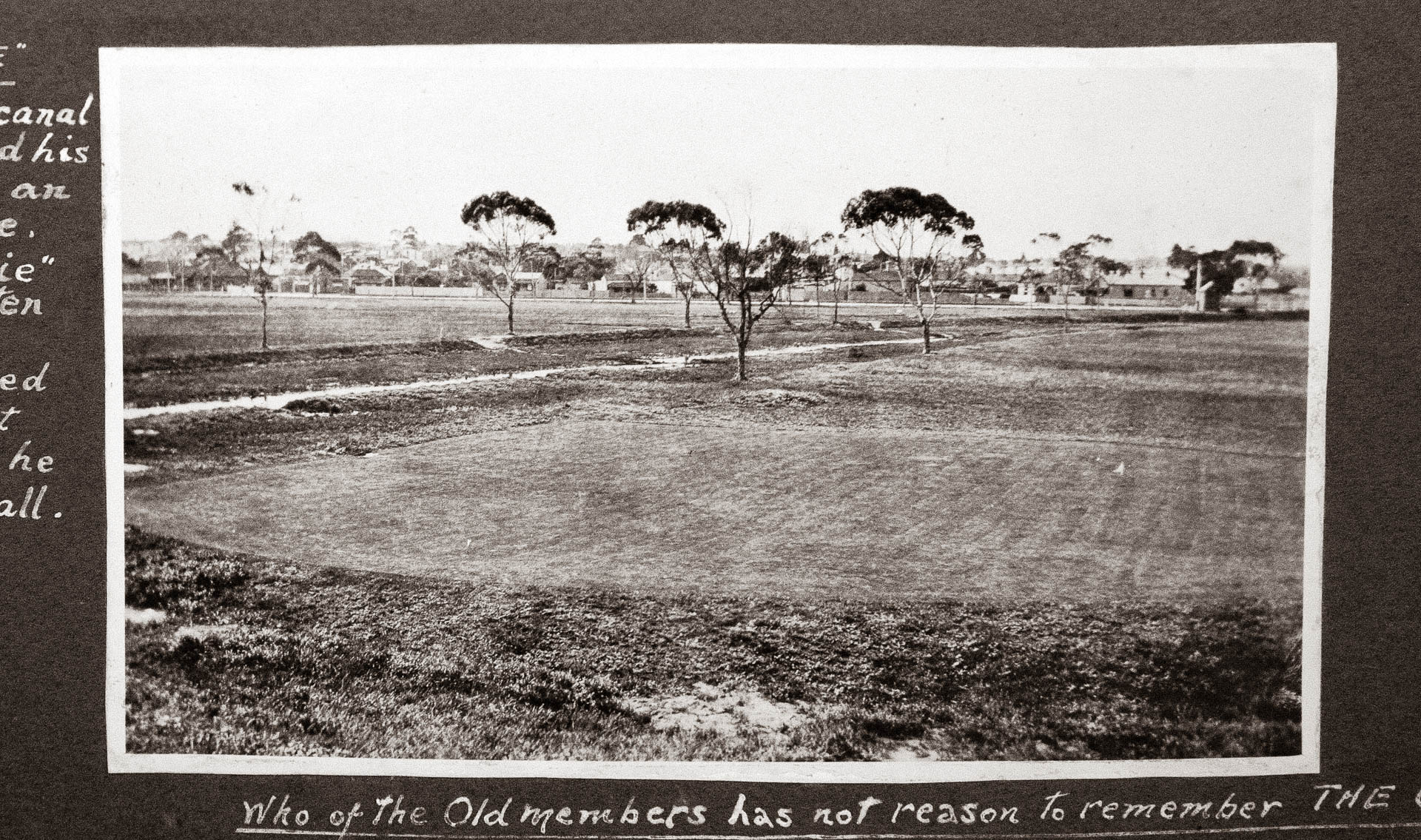
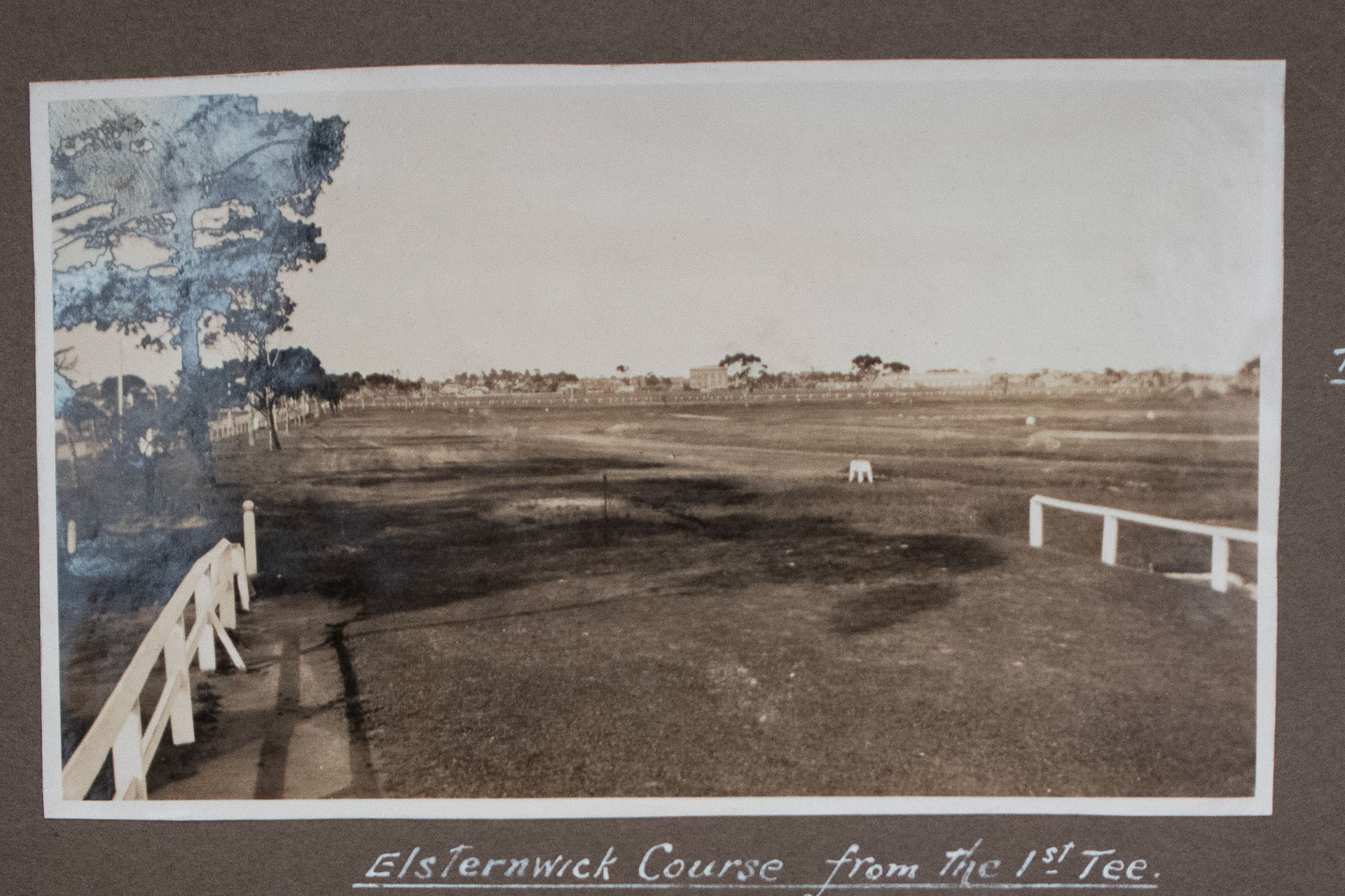
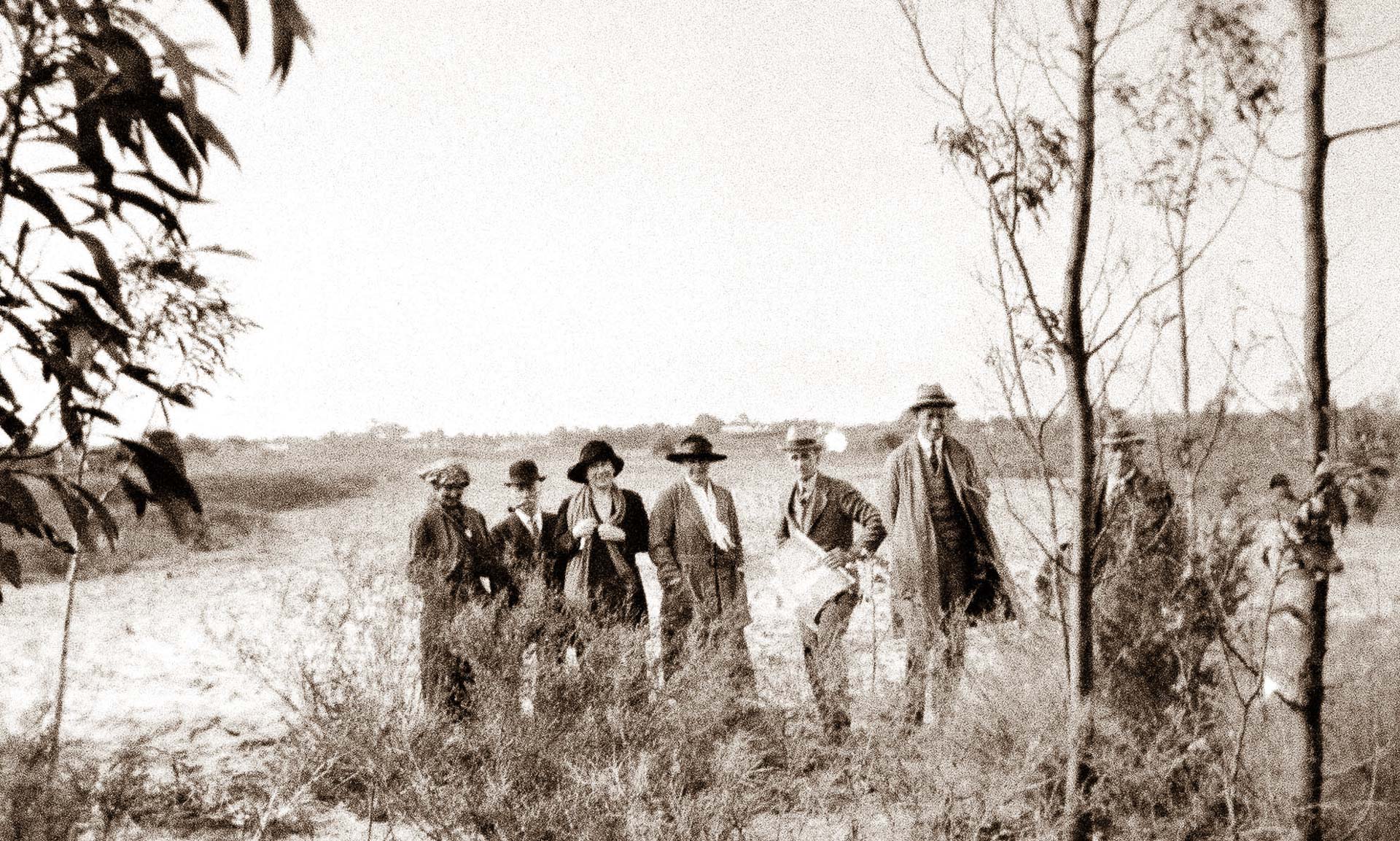
As golf boomed in the early 20th century, a group of influential Melbourne bayside men sought to create a course they could call home. Settling on a little used parcel of land in Elsternwick, about 10km southeast of the Melbourne city, the ‘men of Elsternwick’ in 1908 resolved that “that a Golf Club shall be formed”. Securing a lease of a little under 100 acres, a roughshod course was quickly laid out by well-known golfing brothers Rowley and Dick Banks, and informal play began on the first nine holes in November of 1909. The official Opening Day, a grand affair, was 30 April 1910.
Guided by men such as Stanley Dutton Green, William Allard, Percy Oakley and Agar Wynne, the Elsternwick Golf Club formed the foundation for what would become Kingston Heath. By 1913, Elsternwick was the proud home of 149 male and 67 lady members – they invested heavily in the unremarkable boggy ground, and survived the trials of World War One, but as the Brighton Council indicated their lease may be under threat, these astute men knew greener pastures lay further to the south.
A New Home
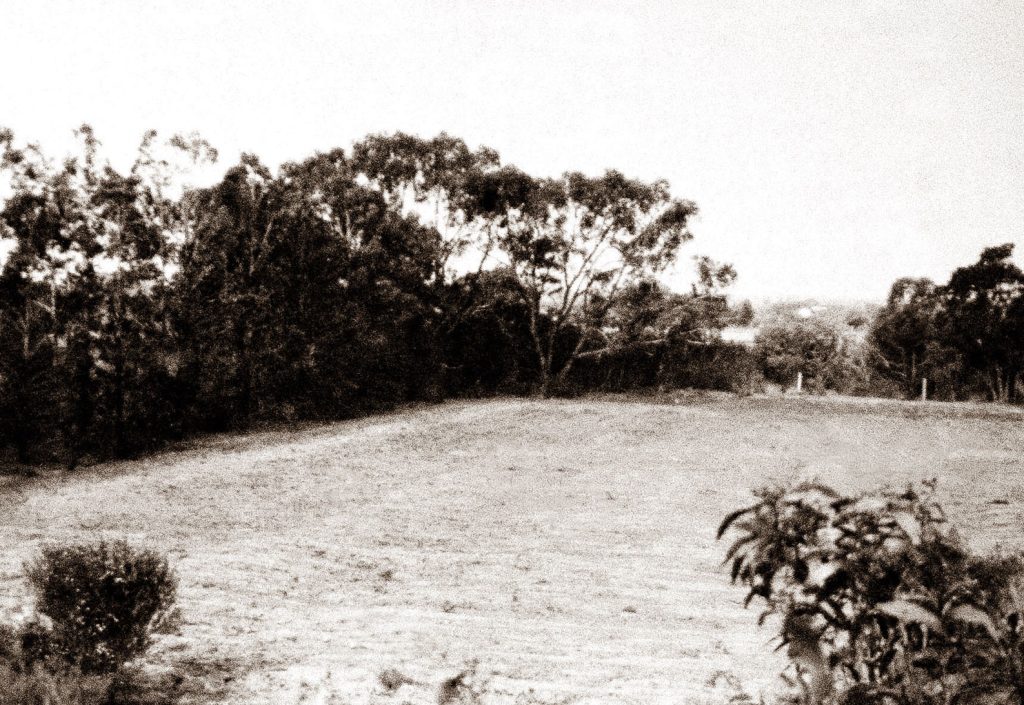
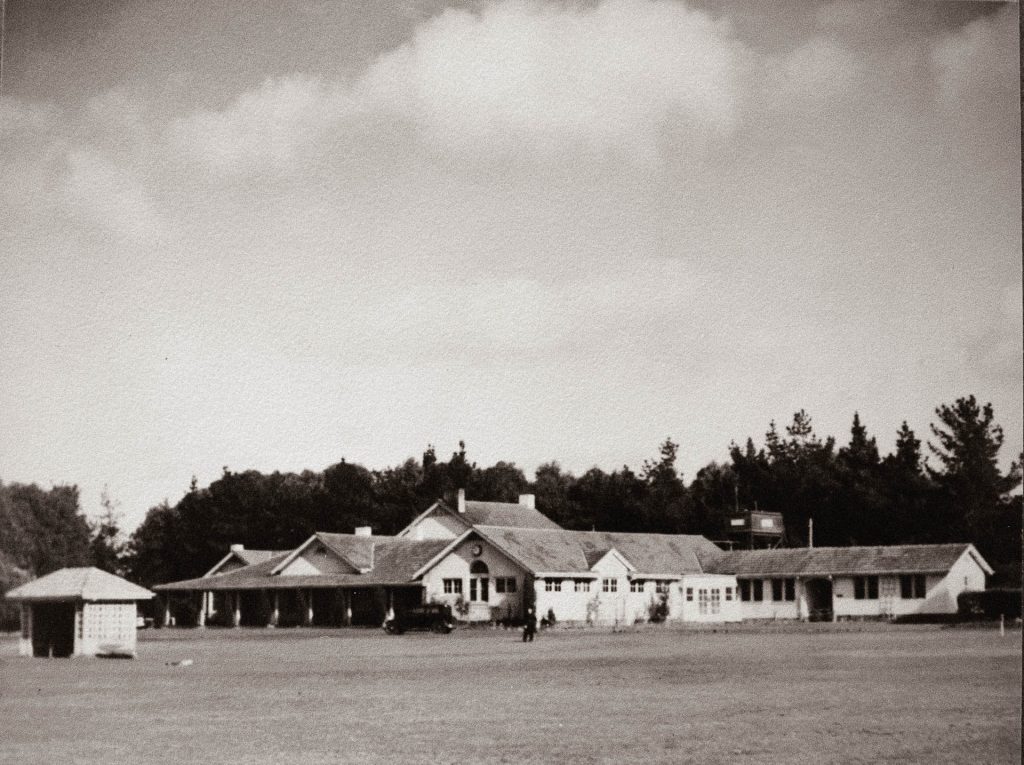
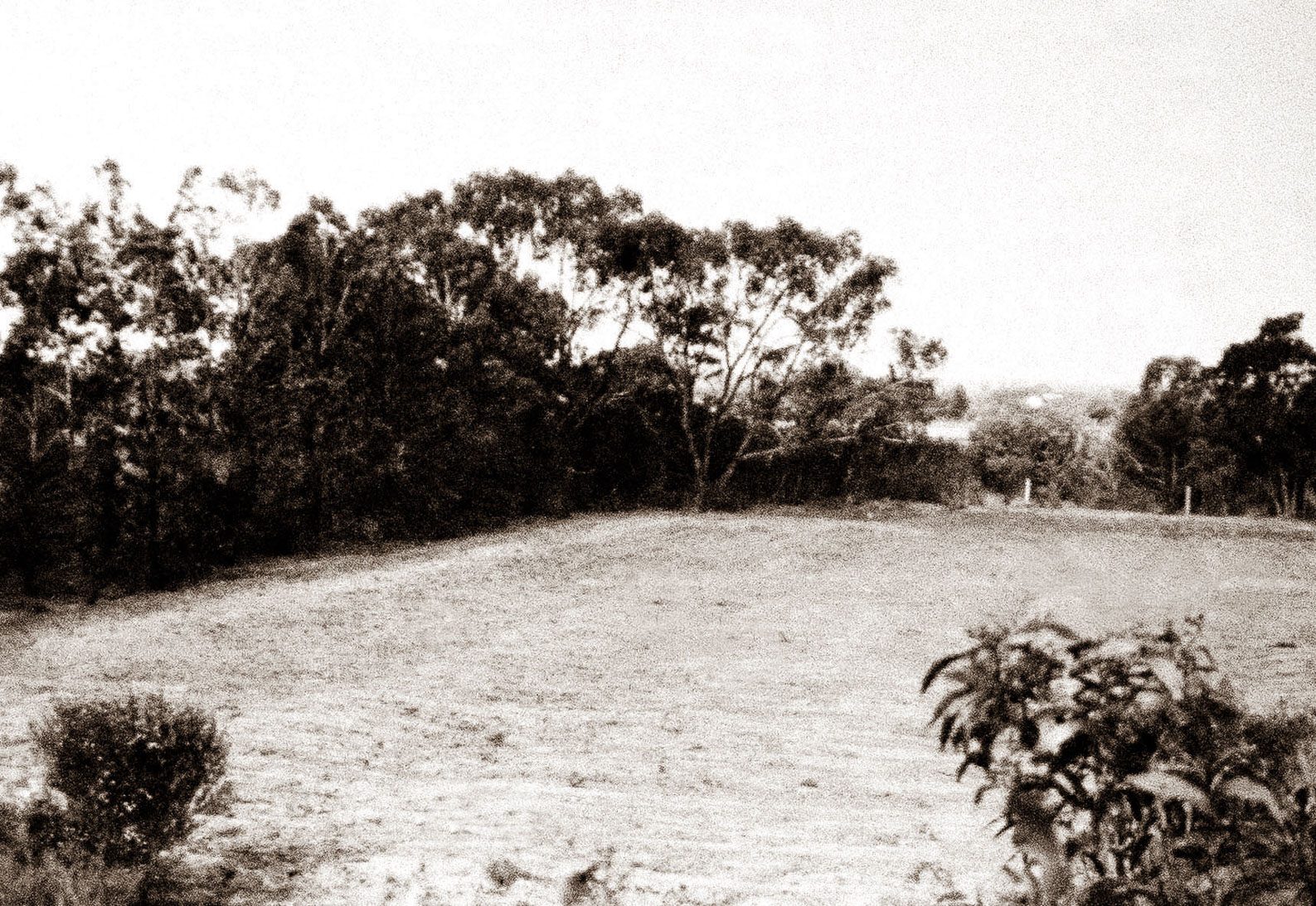
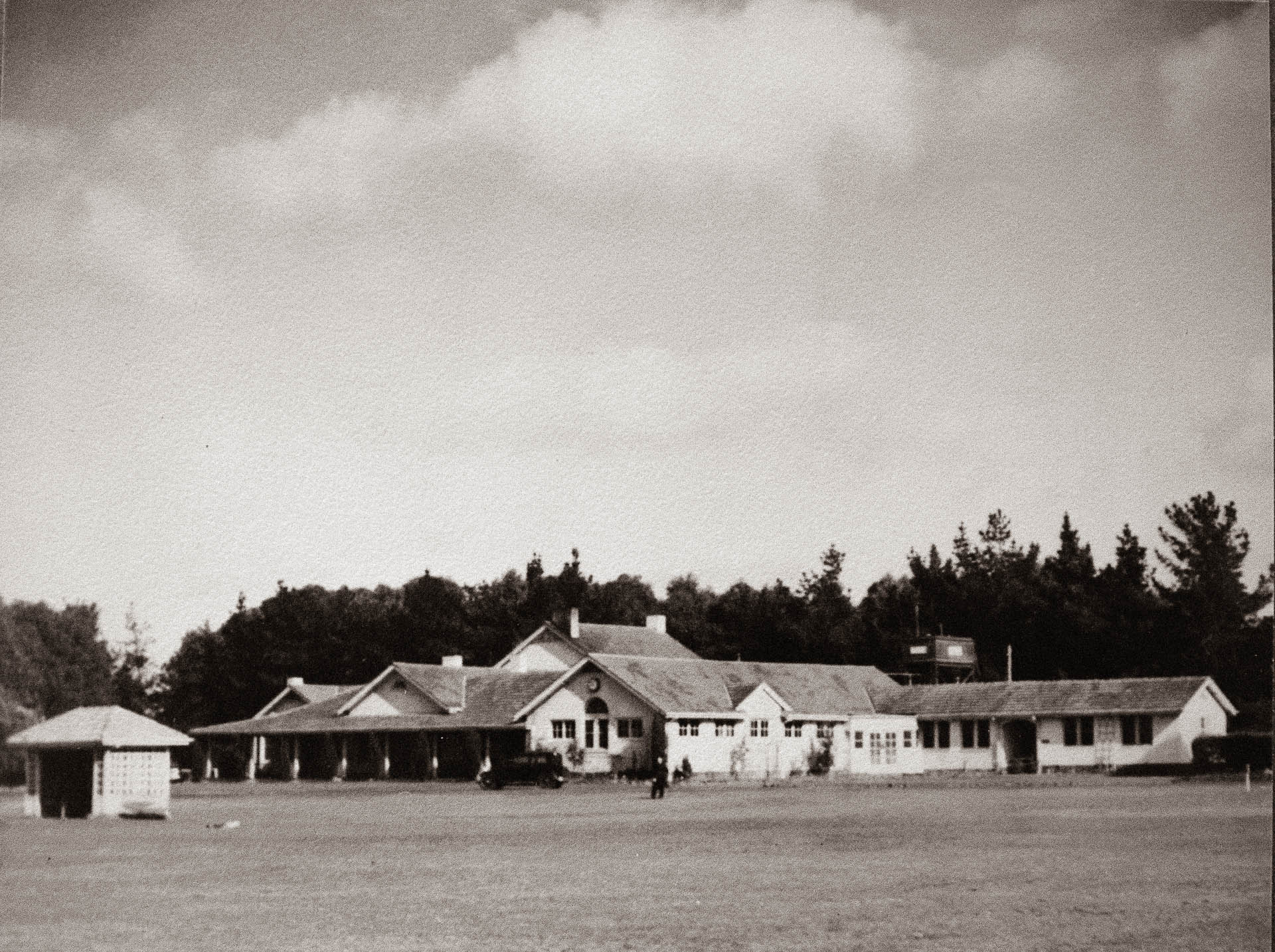
Following the lead of contemporary clubs like Royal Melbourne and Metropolitan, which had relocated to the fertile sandbelt of Melbourne’s outer south-east, the Elsternwick Committee discreetly began searching for new land in 1920. In 1923 the Club purchased our current site which comprised six adjacent parcels of land in Cheltenham, featuring a mix of timbered lots in the southern sections, with market gardens and an orchard to the north, totalling 127 acres.
The relatively flat land featured one major ridgeline — destined to become the course’s most prominent topographical feature. Its sandy, well-drained soil proved ideal for golf, a welcome contrast to Elsternwick’s swampy conditions.
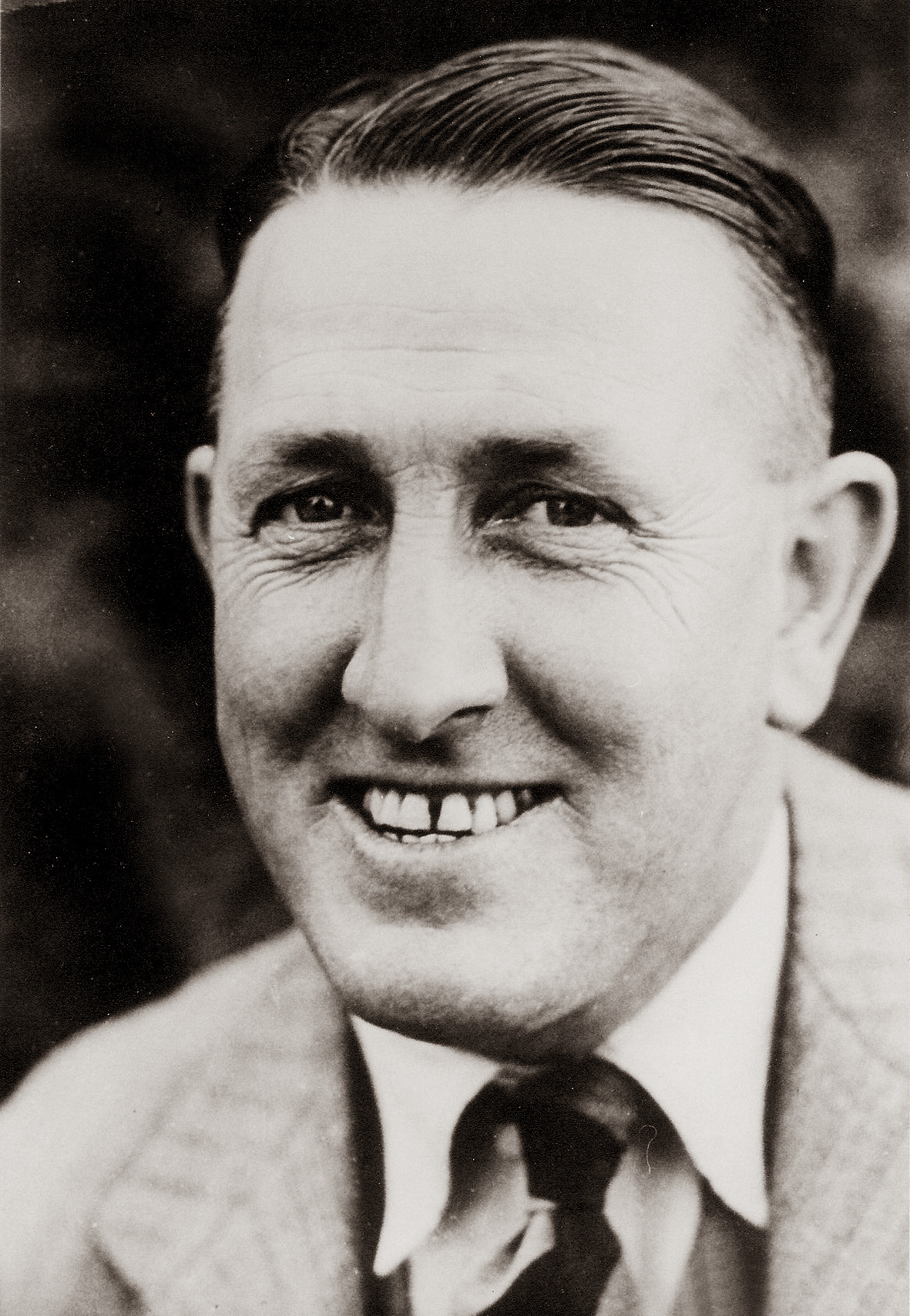
The Committee showed exceptional judgement in their two crucial appointments. Dan Soutar originally from Carnoustie, Scotland was selected to design the course — remarkably, his first major commission in Victoria. When Royal Melbourne graciously allowed its greenkeeper Mick Morcom to construct the course, assisted by his son Vernon, the team was complete.
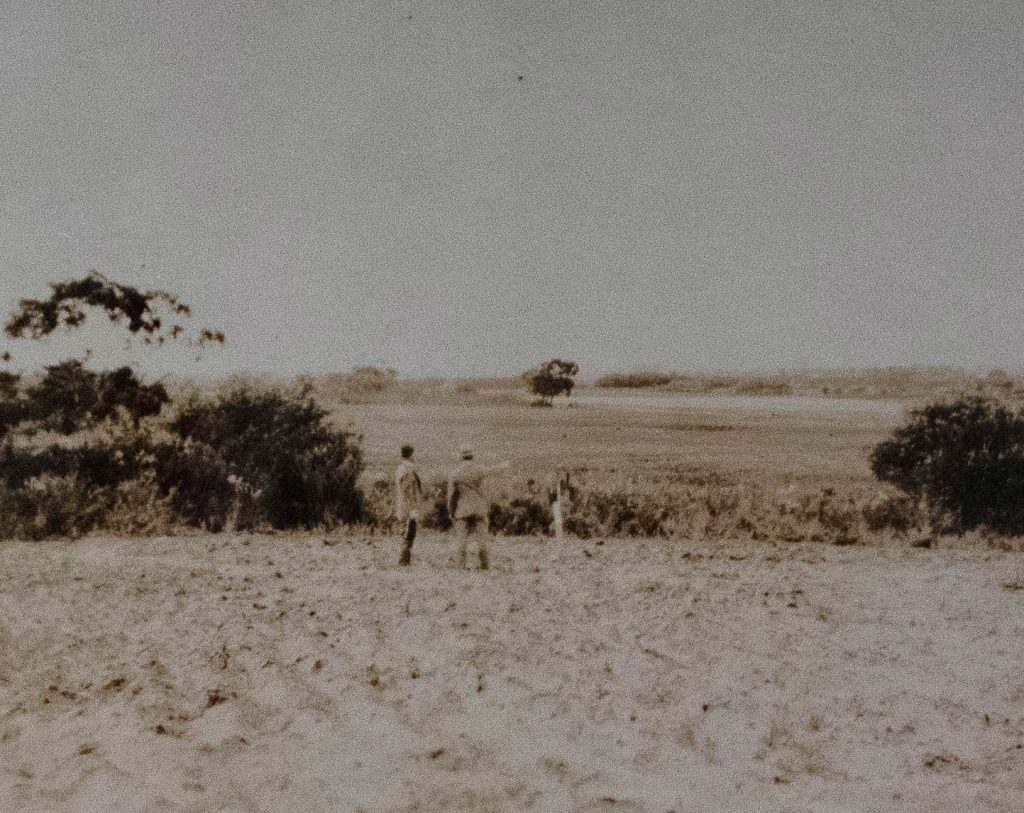
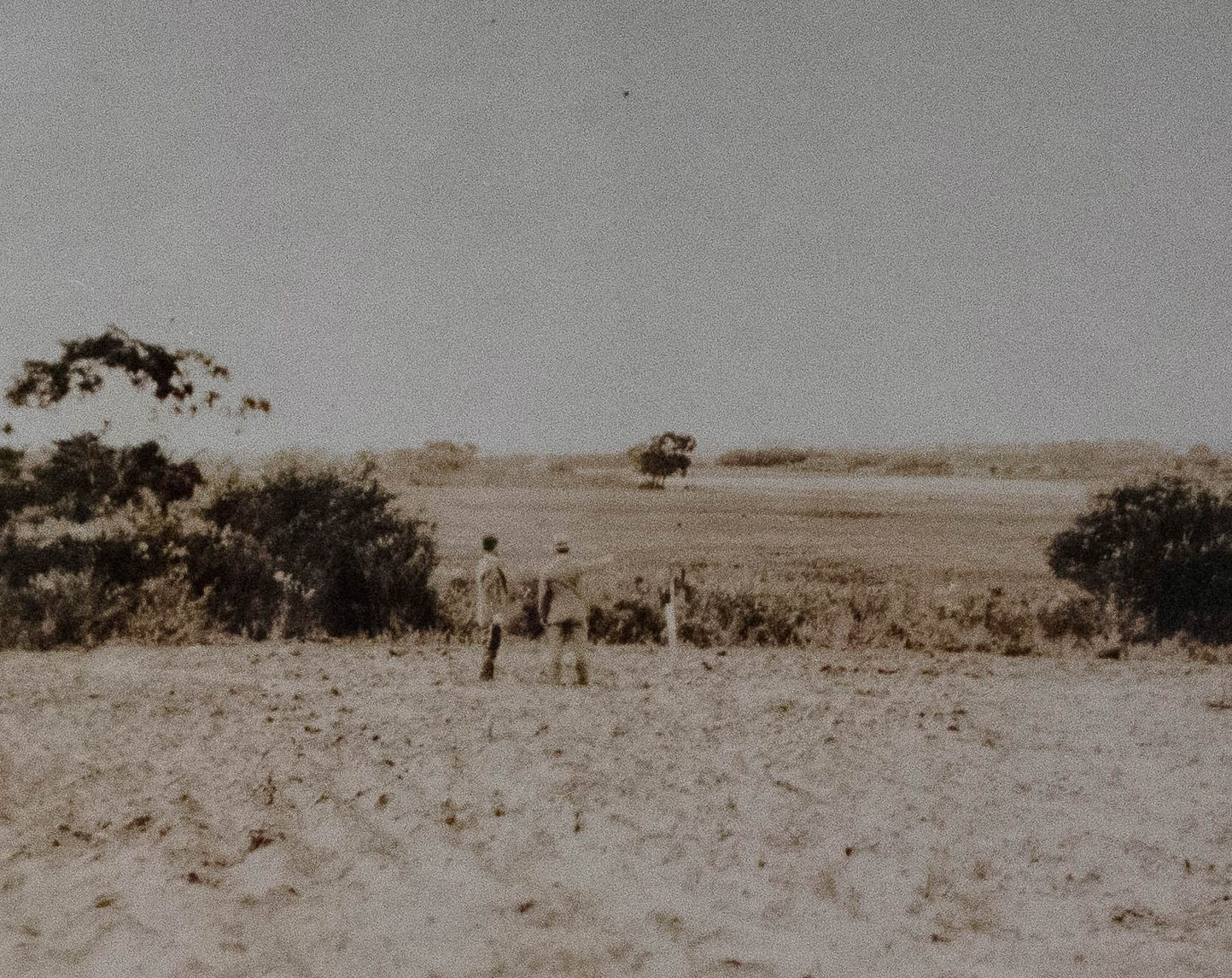
Soutar walked the property several times before returning to a picturesque avenue of gum trees that stood out amongst the dense scrub near its centre. He reportedly declared, “Here is where we start, an ideal ready-made short hole for the 10th”, then planned the entire course around this natural feature.
His initial design at 6,812 yards made Kingston Heath the longest layout in the country, fulfilling Dutton Green’s instruction to ensure the course would “stand the test of time”.
The Good Doctor Arrives
A combination of tight finances and a desire to let the course ‘settle in’ meant no bunkers were constructed when Kingston Heath officially opened for play on 4 April 1925. The Committee then made another fortuitous decision, noting the planned 1926 arrival of celebrated Scottish golf architect Dr. Alister MacKenzie, who had been tasked with designing the new layout (the West Course) at Royal Melbourne. The Club commissioned MacKenzie to provide a bunkering scheme while he was in Australia. On 29 October 1926, he inspected Kingston Heath; three weeks later, he forwarded his plans to the Club along with a £250 fee for “advice, plan and report”.
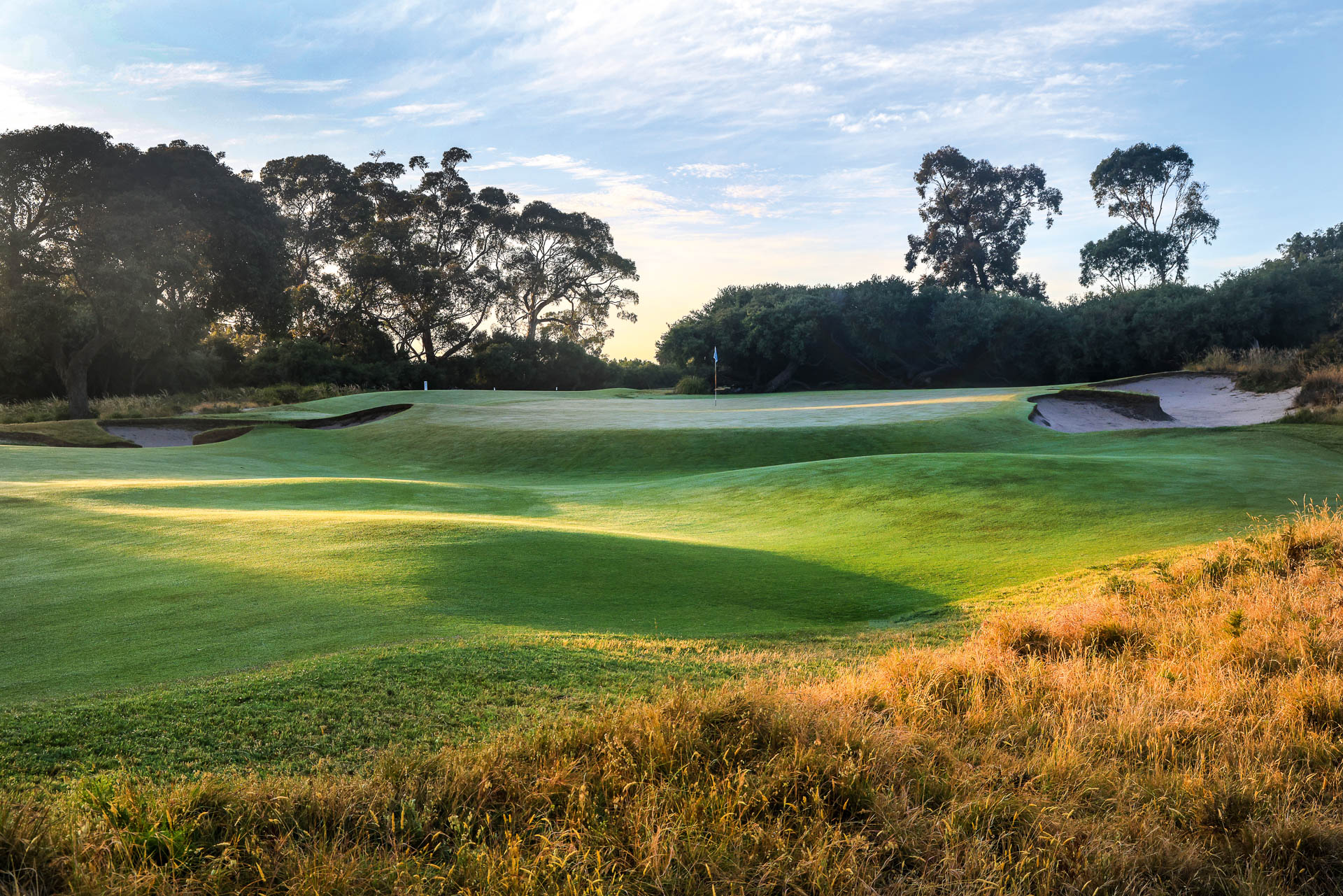
MacKenzie suggested a shortening of several holes in Soutar’s layout, which the Committee rejected. It did, however, adopt his proposed change to the 15th hole, an awkward, blind par 4 of just 222 yards. By placing the green atop the ridge that had crossed the fairway at about 150 yards from the tee – the highest point of the course – MacKenzie created the iconic par 3, 15th hole, now the signature hole on the course. It was his sole change of significance. Indeed, in his report MacKenzie conceded the brilliance of both Soutar’s layout and Morcom’s construction: “May I again repeat that I have never advised on a golf course where owing to the excellence of design and construction the problems have been simpler”.
A Golf Course Evolves
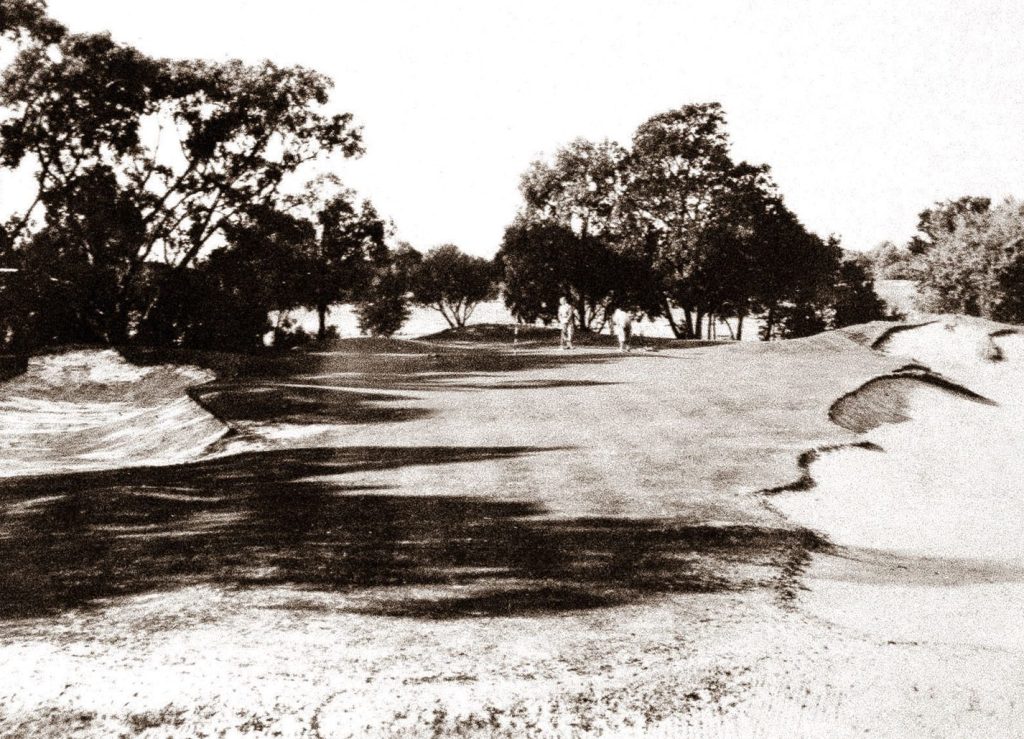
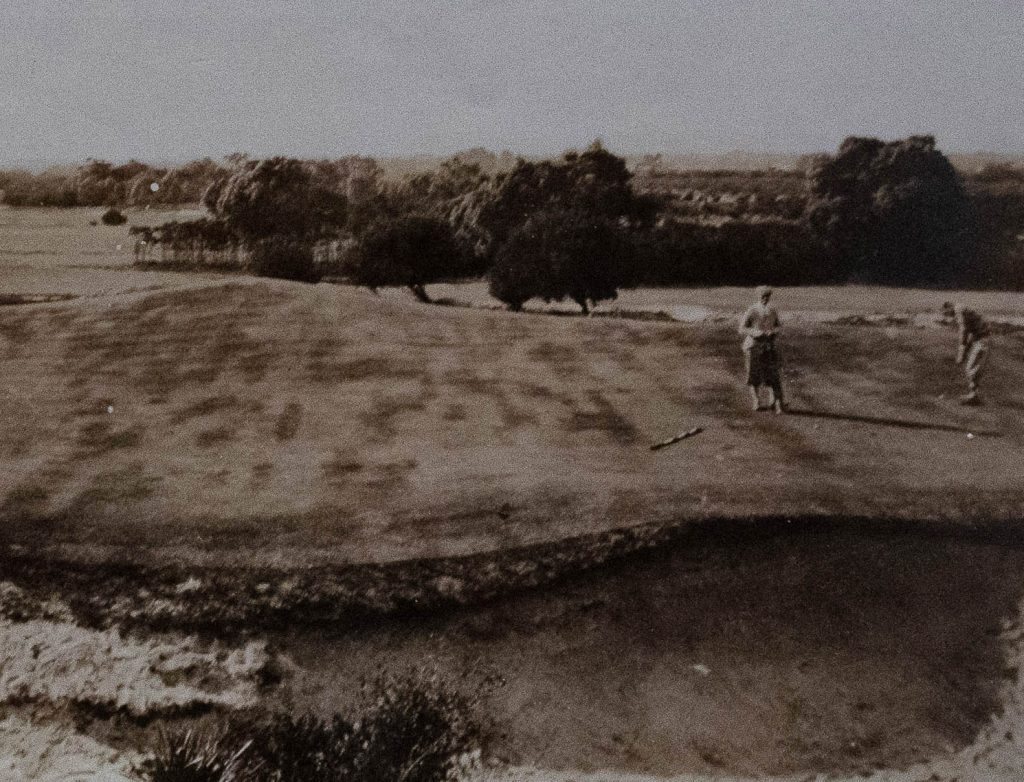
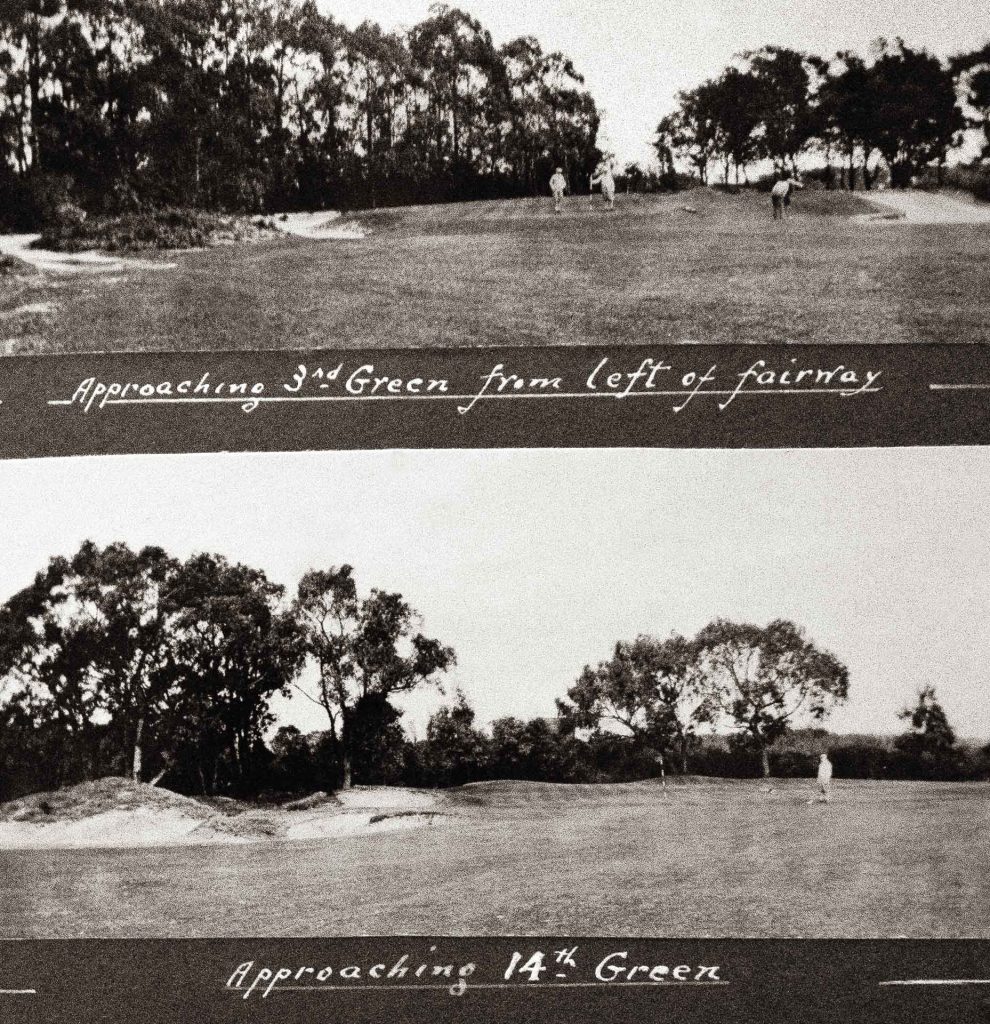
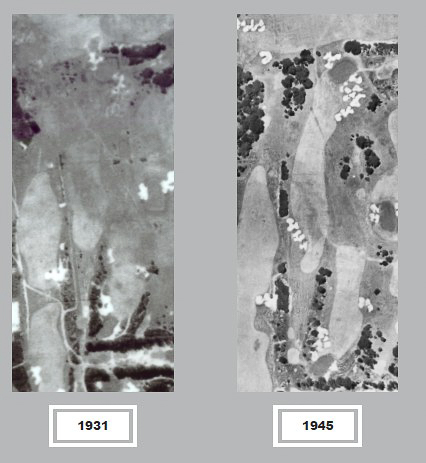
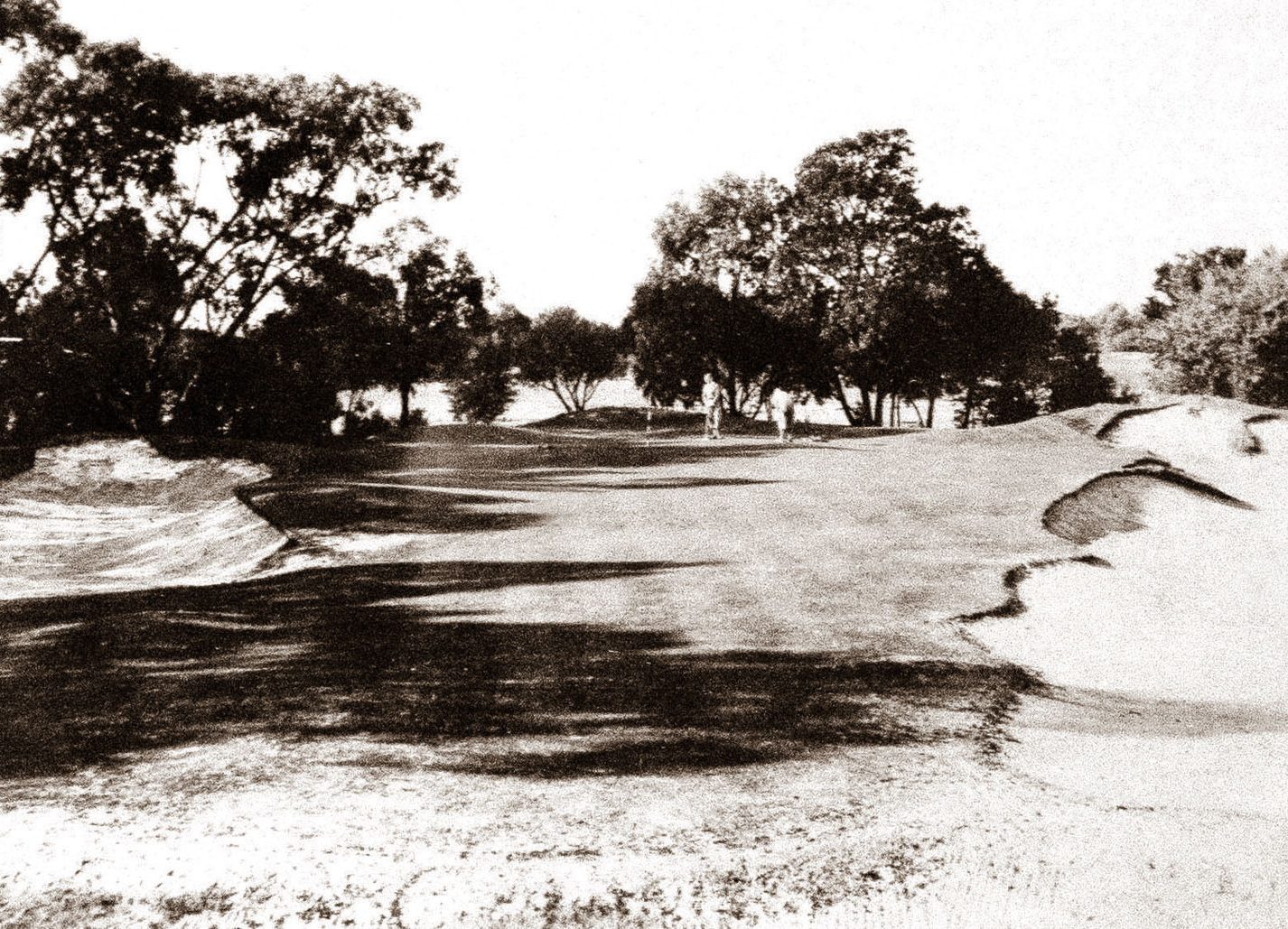
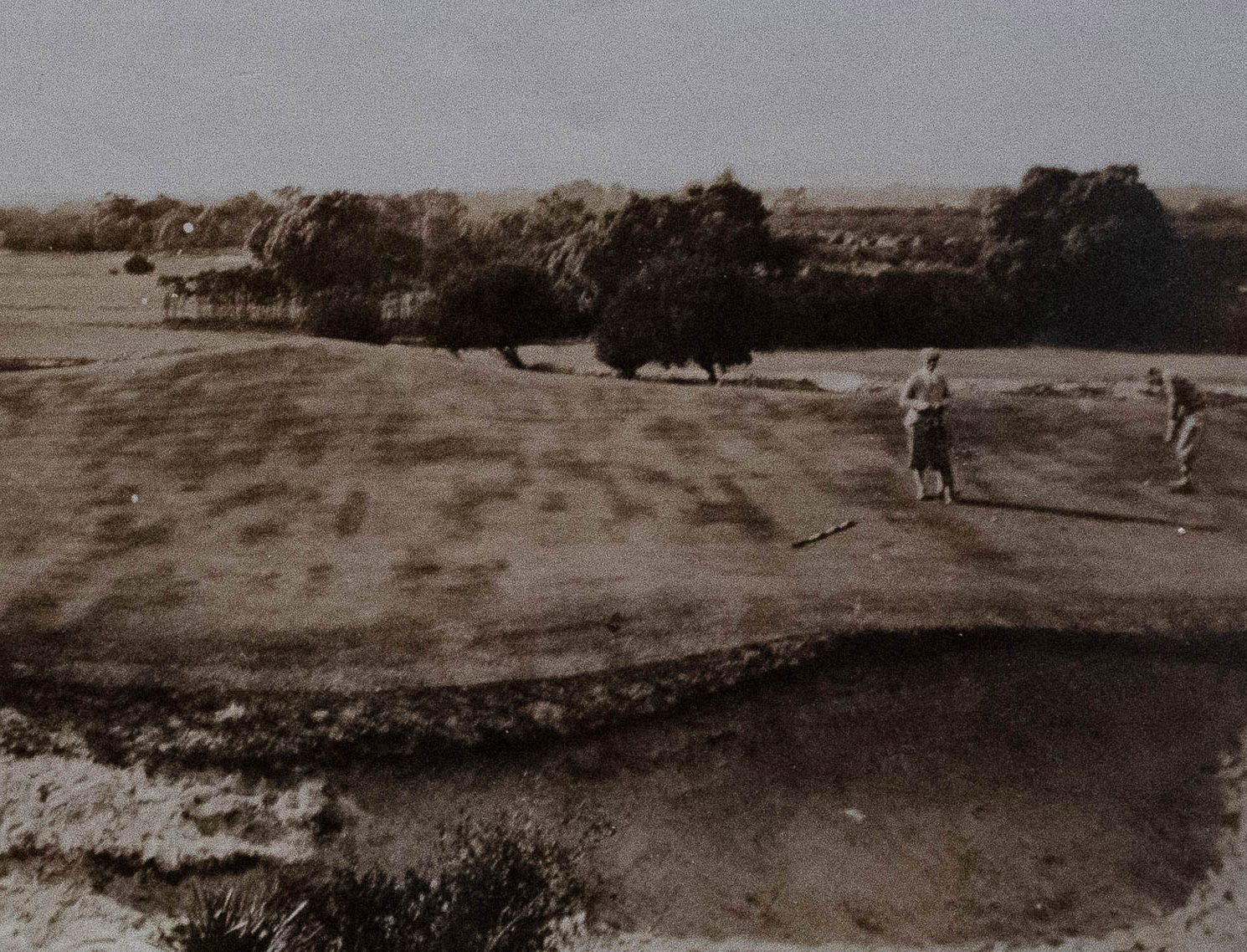
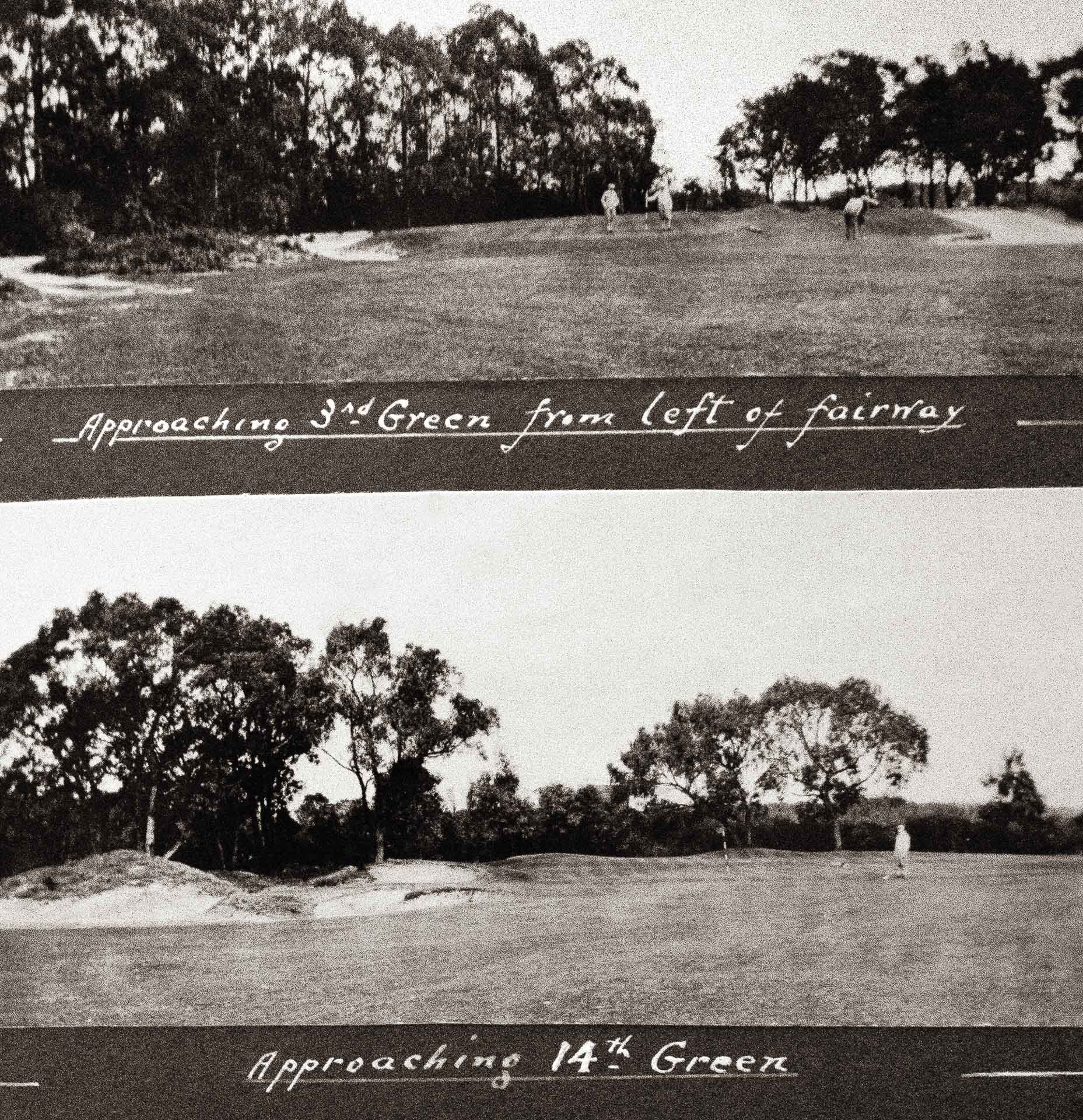
Dr MacKenzie’s original scheme featured approximately 66 bunkers. Vernon Morcom, now following in his father’s footsteps, undertook their construction. The Morcoms requested — and received — licence to adapt the designs where they saw fit during construction.
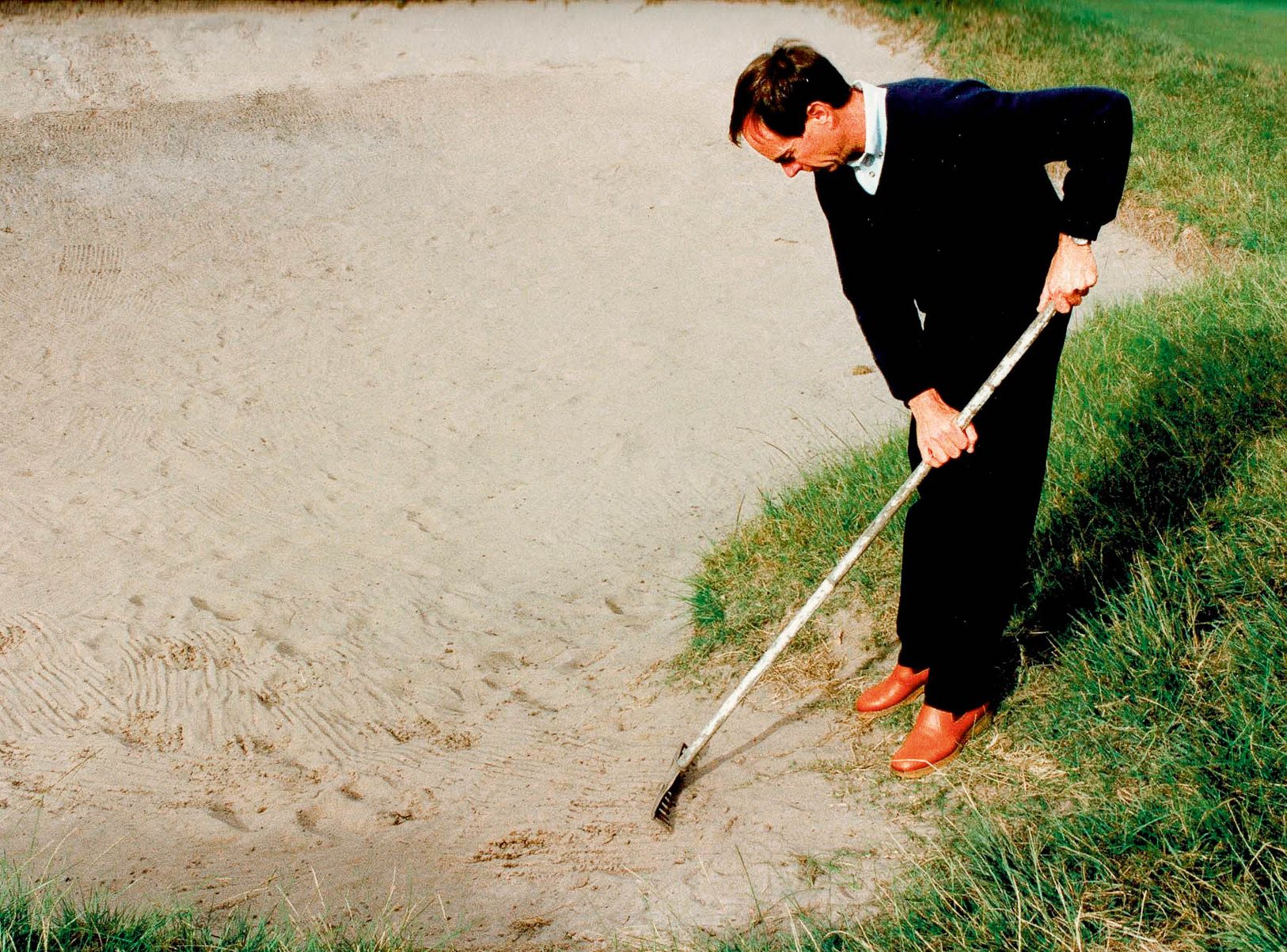
By early 1928, Vernon had built just 53 bunkers, remaining faithful to MacKenzie’s strategic intent whilst featuring the large, sprawling hazards typical of his style. By 1945, Vern Morcom — who served as Kingston Heath’s greenkeeper for four decades until retiring in 1967 — had transformed these original 53 into more than 130 bunkers.
Believing that clusters of smaller bunkers better suited the landscape than MacKenzie’s enormous ‘flashed’ hazards, Morcom continued refining this approach throughout his tenure, creating the distinctive bunkering pattern that characterises the course today.
The Graeme Grant Era
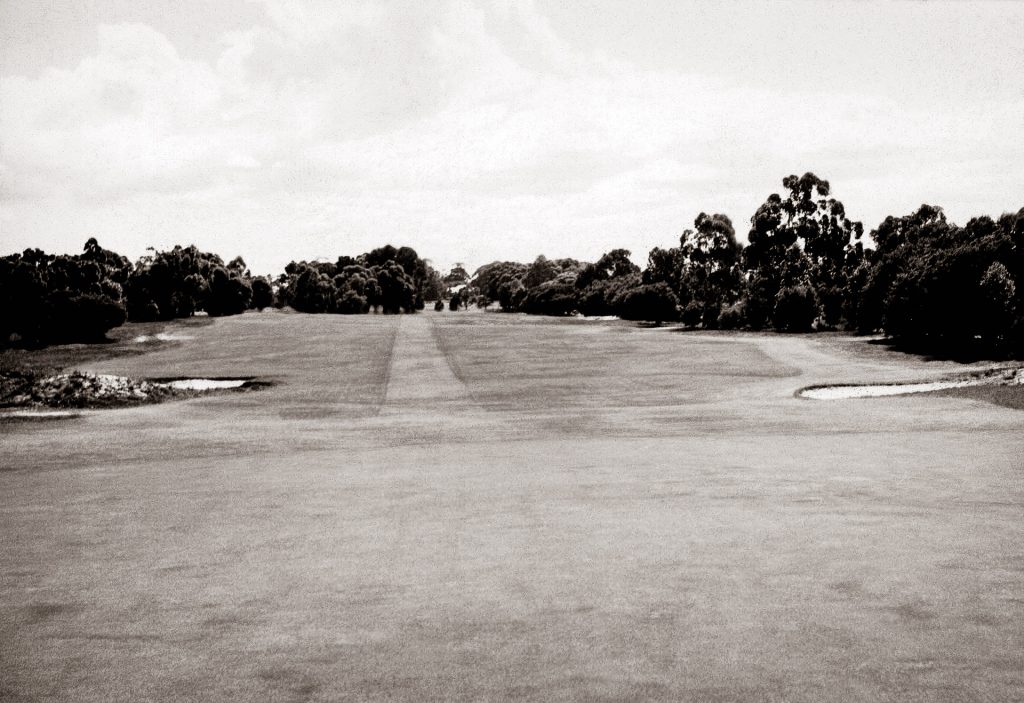
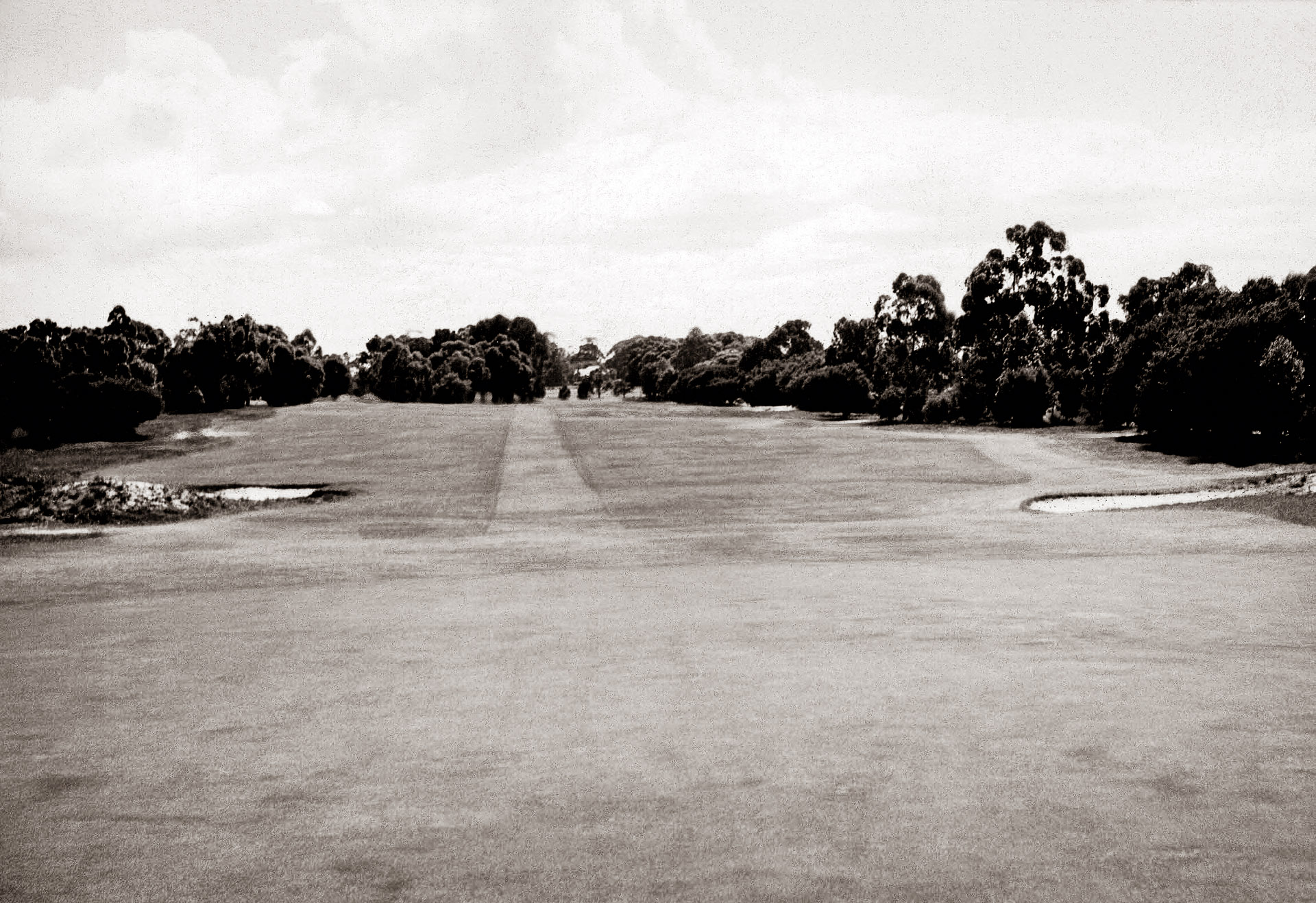
By the 1970s, Kingston Heath had slipped to ninth in Australian course rankings. A culture of “cut grass and cold beer” had led to minimal course development. Non-native trees crowded the fairways, whilst the greens had become soft, round and largely featureless.
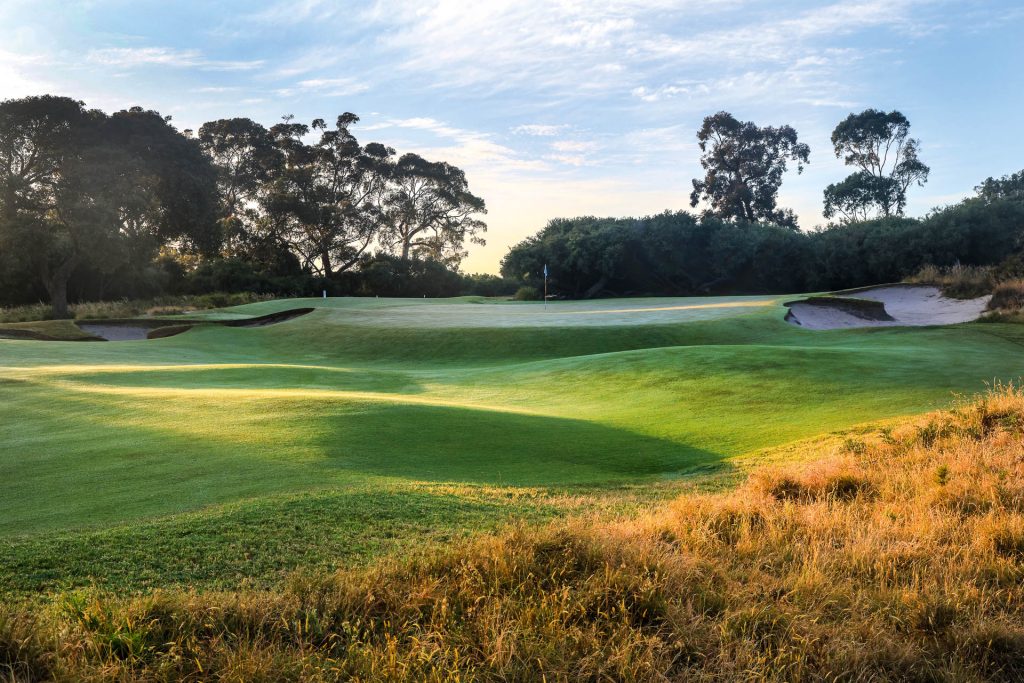
Enter superintendent Graeme Grant. A turf management wizard, Grant’s 16 years at Kingston Heath revitalised a course that, whilst still honouring Soutar’s routing, had lost its unique position in Australia’s golfing landscape. He transformed the playing surfaces with new grass species, rebuilt and reshaped greens, and removed hundreds of trees to restore the course’s ecology, returning the ground to firm, fast conditions.
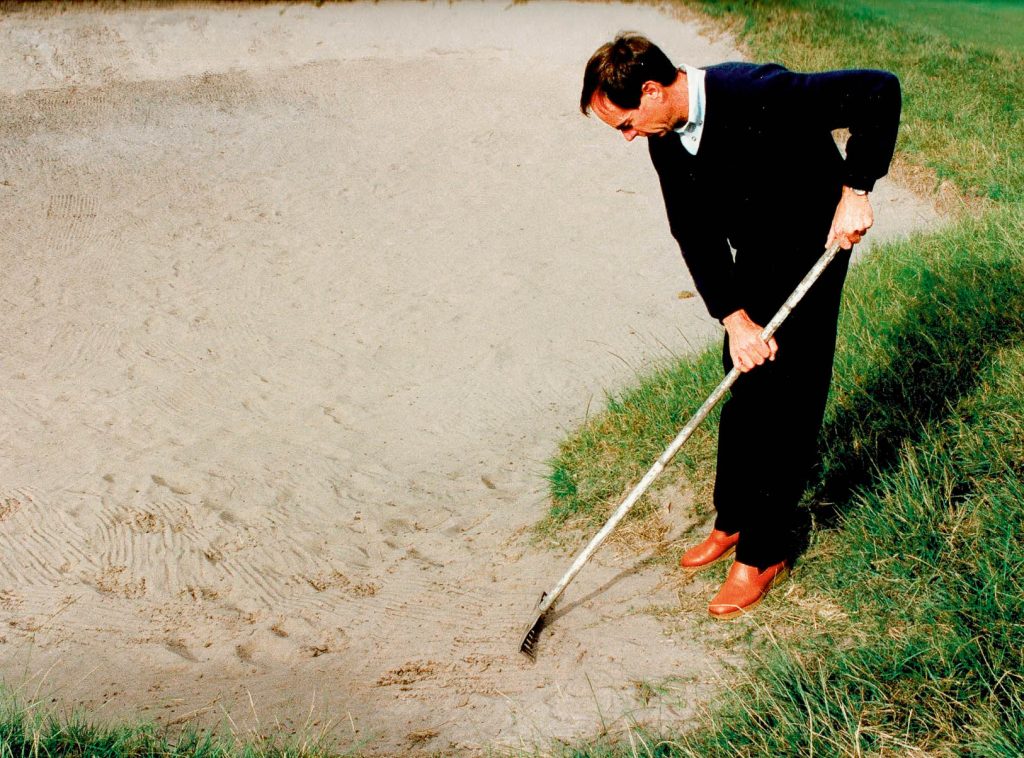
Grant also restored bunkering and green complexes, adding strategic swales and subtle shaping to create a sparkling example of true Sandbelt golf. If Soutar and MacKenzie deserve praise for their original vision, Grant’s firm, determined hand elevated Kingston Heath to world-class status.
The Tournaments
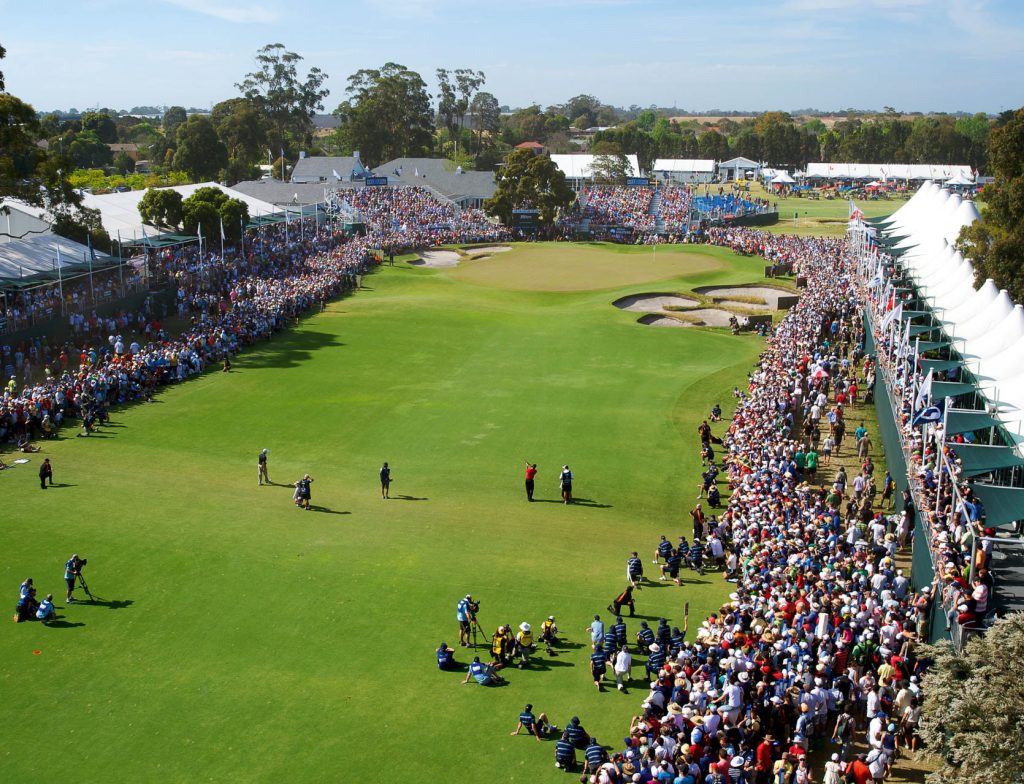
Kingston Heath has hosted nine editions of the Men’s Australian Open, including two innovative mixed events — shared with Victoria Golf Club — in 2022 and 2024. These featured Men’s, Women’s and All Abilities competitions, bringing the Club’s total to three Women’s Australian Opens, the first held in 2008.
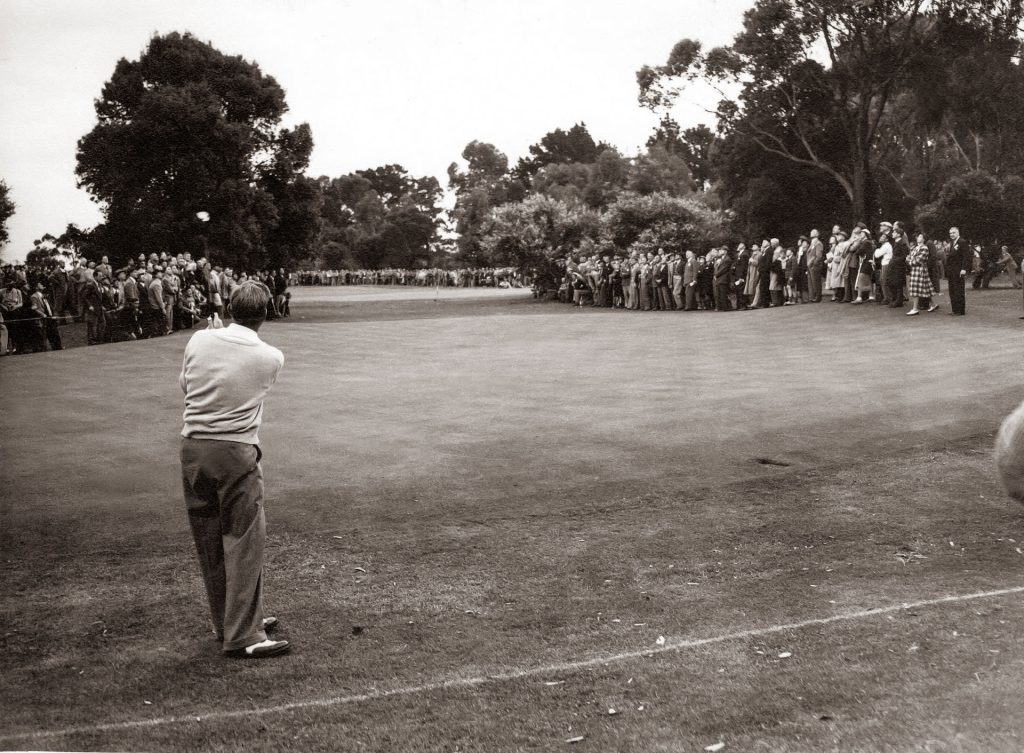
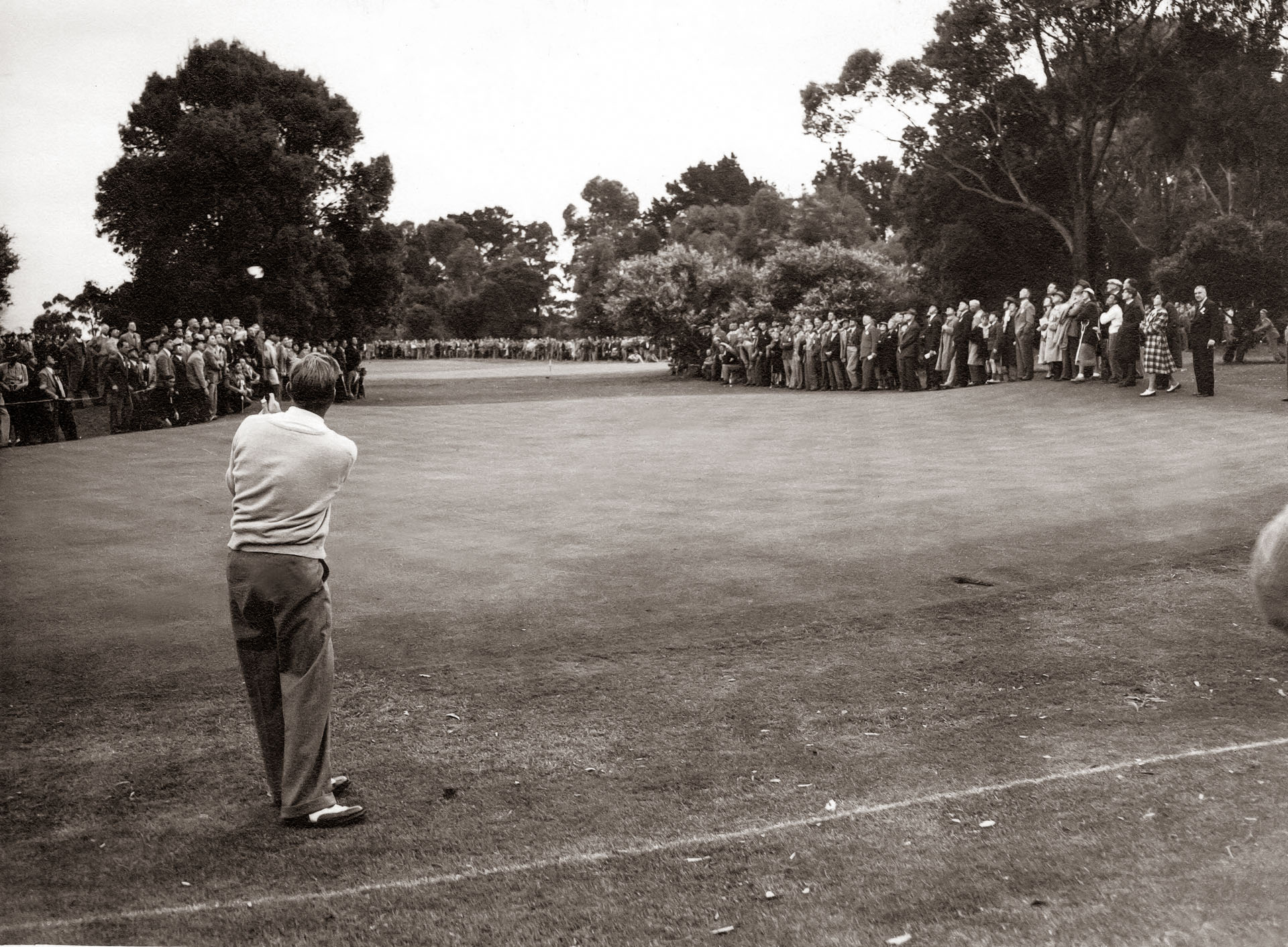
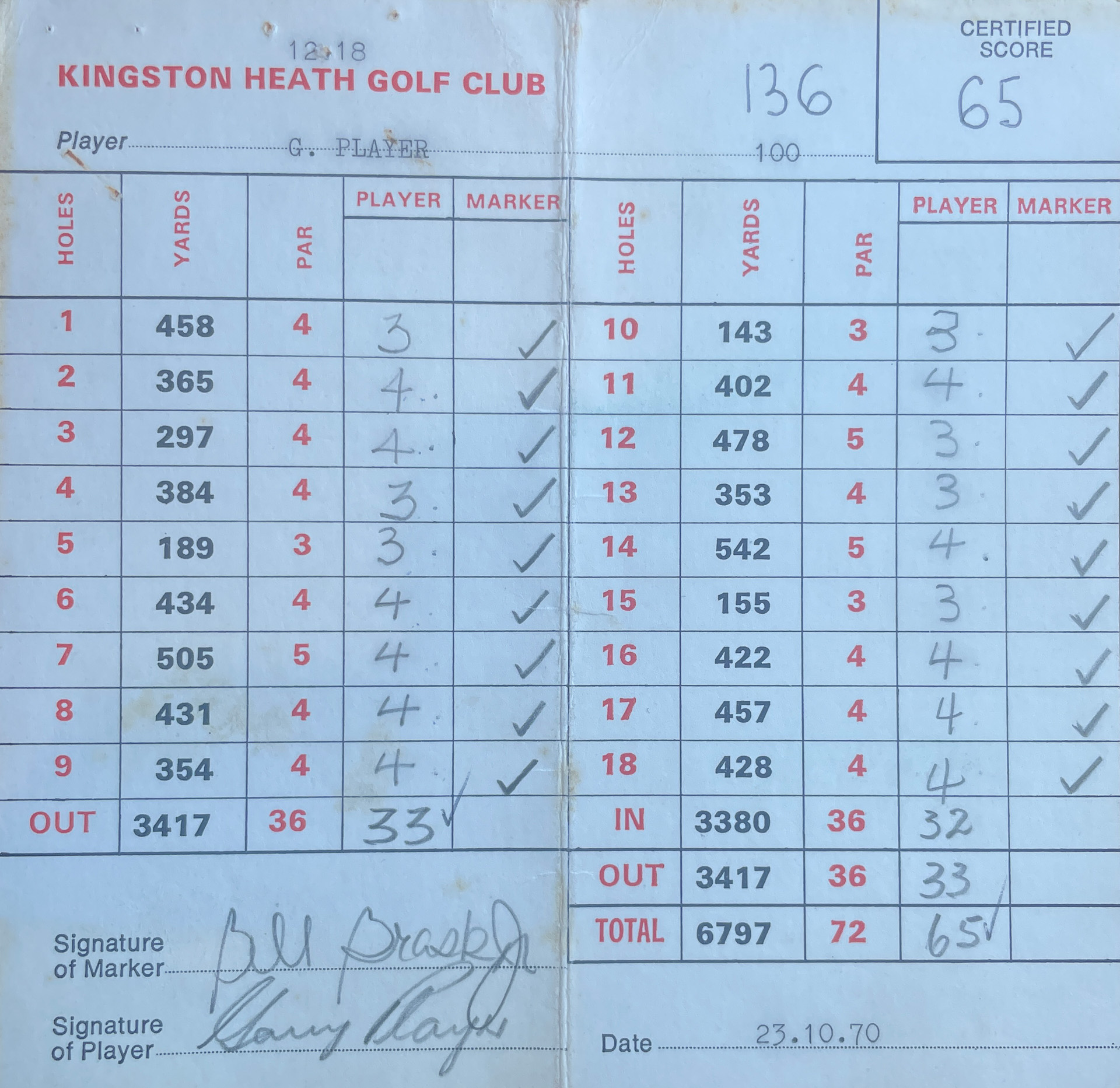
When Ryggs Johnston triumphed in 2024, he joined a distinguished roll of Open champions at ‘the Heath’, beginning with Ossie Pickworth in 1948. Frank Phillips (1957), Gary Player (1970), Peter Fowler (1983), Peter Senior (1989), Greg Norman (1995), Aaron Baddeley (2000) and Adrian Meronk (2022) preceded Johnston’s victory.
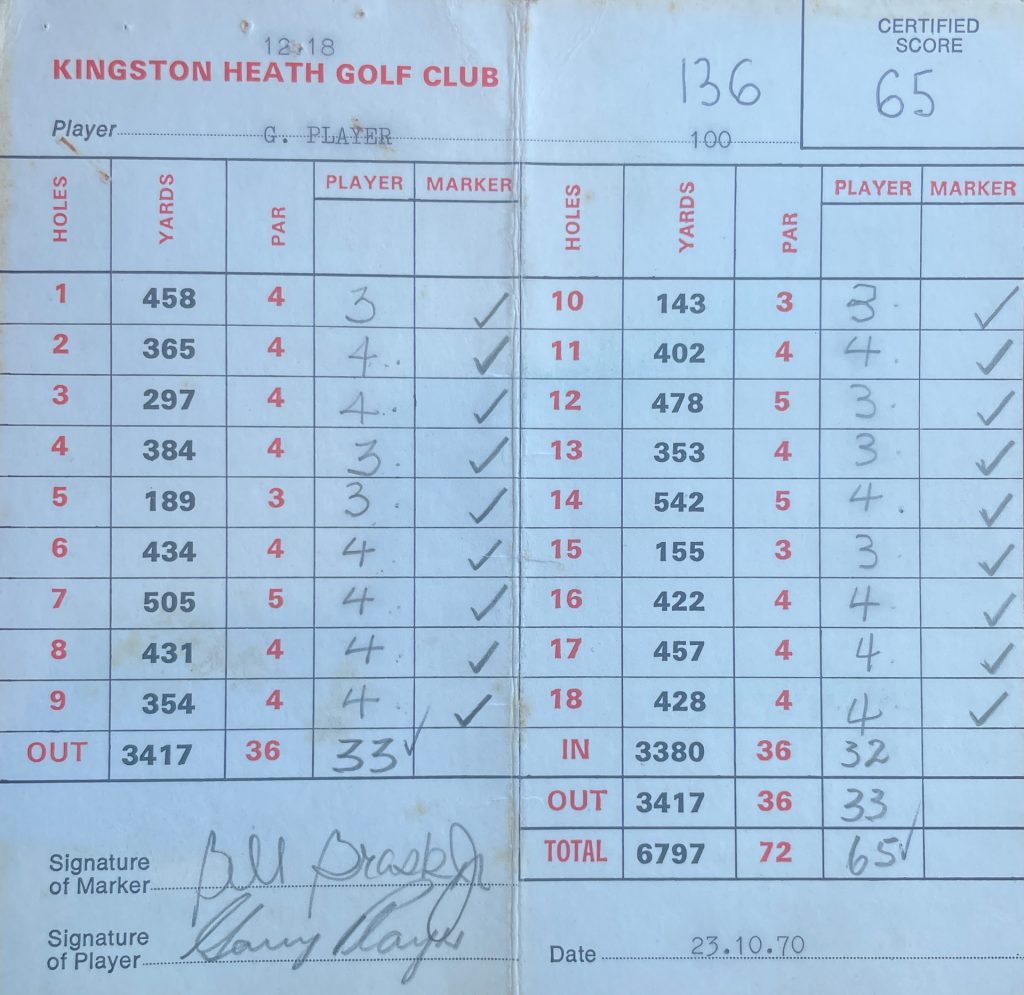
Gary Player’s victory remains particularly memorable, featuring a second-round course record 65 during his sixth of seven Stonehaven Cup triumphs.
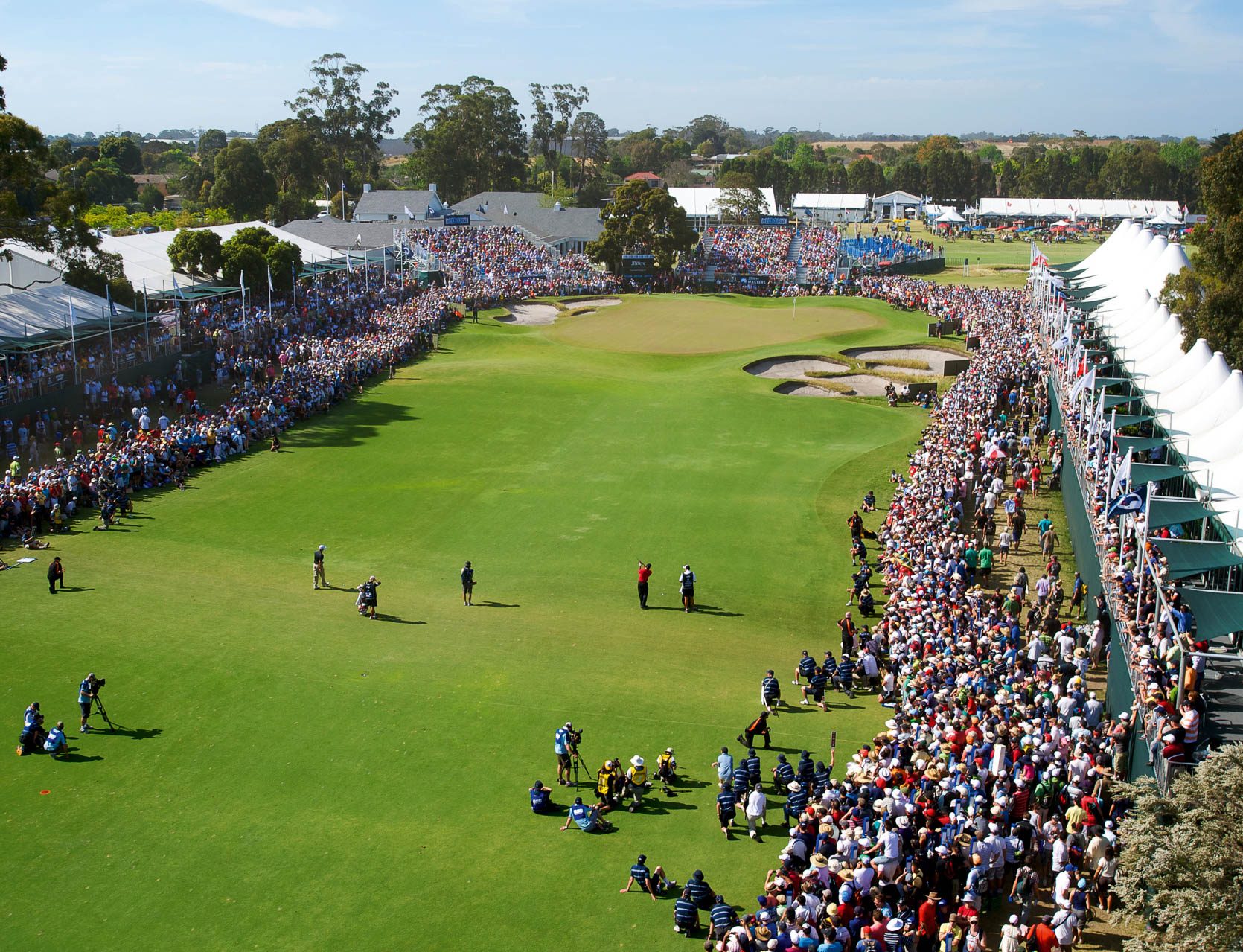
Through the eras of Pickworth, Player and Norman, the world’s best have graced these fairways. Yet few events captured public imagination like the 2009 Australian Masters, when Tiger Woods came down under. His 14-under total of 274 added a gold jacket to his collection of green ones. The Masters returned three years later, with Adam Scott victorious at 17-under.
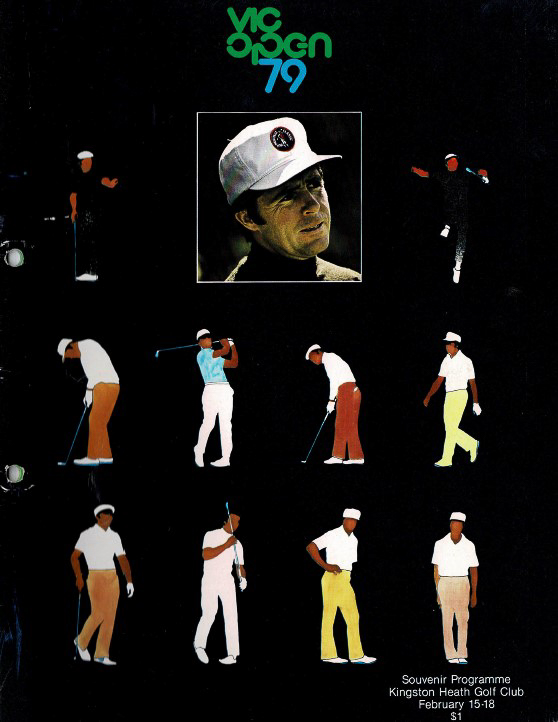
Kingston Heath also hosted the Australian Match Play Championship for seven years from 1986, the Victorian Open seven times, and the 2016 World Cup of Golf, where Denmark’s Søren Kjeldsen and Thorbjørn Olesen defeated teams from 27 other nations.